By Admin
2025-07-30
The environment does not have to suffer because of plastic
containers.
With increased worries about waste management and pollution, plastic containers
have long been considered an environmental a threat. Nonetheless, plastic
packaging can be environmentally benign and sustainable if done properly. The
secret is to produce, use, and dispose of materials responsibly.
The Function of Eco-Friendly Plastic Packaging
Plastic is essential to many industries, such as food, medicine, and cosmetics,
because of its affordability, durability, and light weight. However, there are
a number of creative ways to lessen plastic's negative environmental effects:
1. Utilizing biodegradable and recyclable plastics
Biodegradable and recyclable polymers have been developed as a result of
developments in polymer science. The requirement to produce virgin plastic is
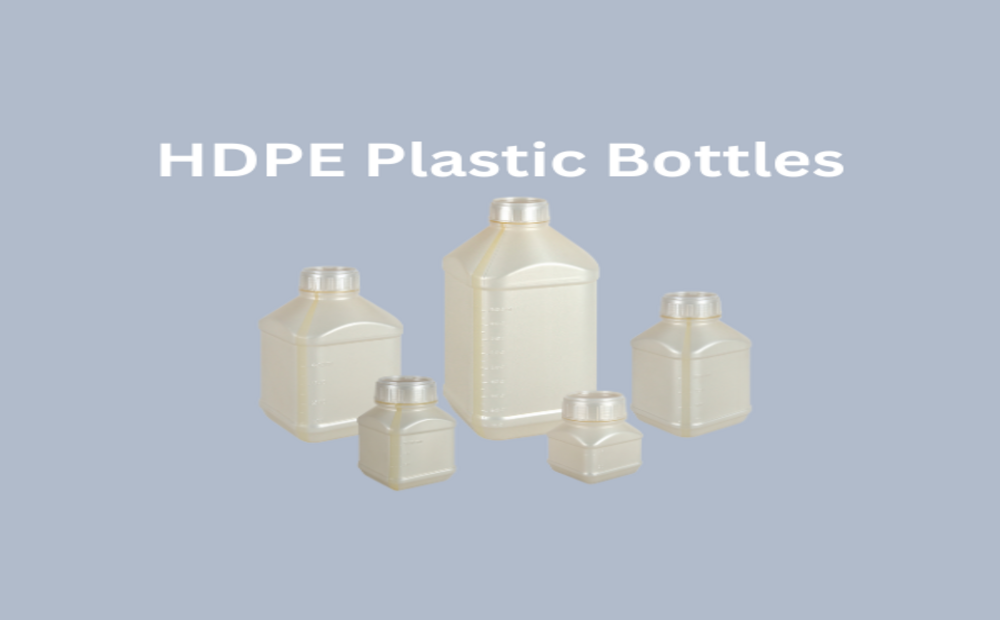
decreased by the many recycling capabilities of high-quality polymers like PET
and HDPE.
2. Systems of Closed-Loop Recycling
Leading plastic producers are among the many businesses using a closed-loop
recycling strategy. Thus, waste is greatly decreased as used plastic containers
are gathered, treated, and reintroduced into the production cycle.
3. Minimalist and lightweight designs
The carbon footprint can be decreased by using less plastic in packaging. While
maintaining the durability and safety of the product, lightweight designs also
contribute to resource conservation.
4. Responsible Disposal and Consumer Awareness
Plastic container recycling and proper disposal are essential. Customers may
help keep plastic debris out of landfills and the ocean by learning proper
recycling techniques.
5. Utilizing Recycled Materials
Reducing reliance on virgin plastics is achieved by incorporating post-consumer
recycled (PCR) plastic into new containers. To encourage sustainability, many
firms are now utilizing a sizable portion of recycled plastic in their
packaging.
The Prospects for Plastic Packaging
Sustainability is becoming increasingly important as the plastics business
changes. In a circular economy, plastic is reused and repurposed rather than
thrown away, and governments, businesses, and consumers are collaborating to
achieve this goal. A more environmentally friendly future is being ushered in
by innovations like bio-based polymers and reusable packaging designs.
Conclusions
If handled properly, plastic containers don't need to be an environmental
issue. Plastic's adaptability may be maximized while reducing its environmental
impact if we embrace recycling, innovation, and conscientious consumer behavior.
The important thing is to transform our perspective from "plastic as
waste" to "plastic as a valuable resource" that can be
effectively reused and recycled